
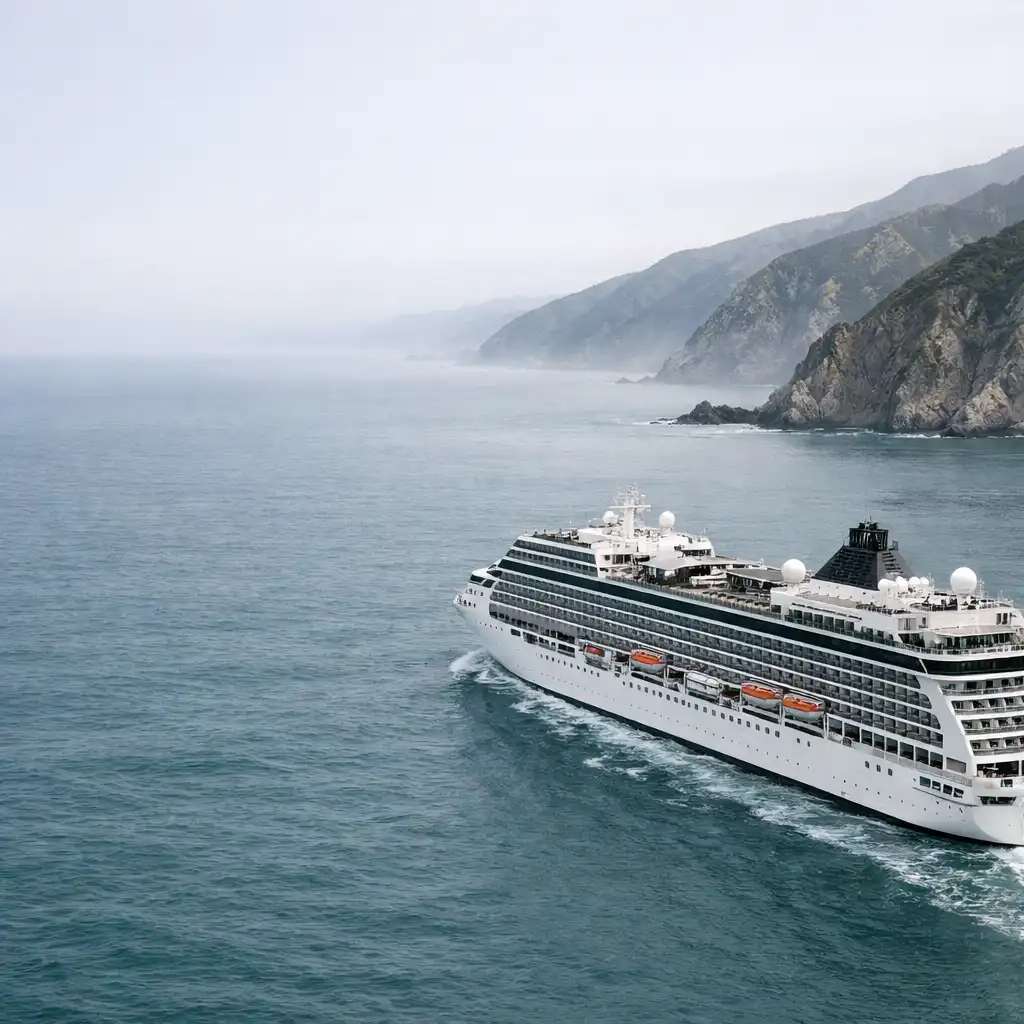
Modern cruise liner sailing along New Zealand's rugged South Island coast under a clear sky

Independent New Zealand cruise guide

Life at Sea – Cruise Ships, Cabins, Dining & High-Seas Casinos

Your independent New Zealand guide to modern ocean voyaging. Compare stateroom layouts, discover diverse culinary venues, explore onboard casino gaming, and navigate Pacific itineraries with complete clarity.

Sailrout Einsider is independent: not a cruise line, booking agency, or operator.

The modern ship

What is modern ocean cruising?

A contemporary cruise ship is a connected maritime community, not simply transport between ports. Accommodation, dining, social spaces, practical services, recreation and navigation work together while the vessel moves through changing coastal and open-water conditions.

01 / community

A self-contained maritime community

Modern cruise travel brings modular stateroom accommodation, diverse dining, live entertainment, practical services and scenic exploration into one moving environment. On sea days, corridors, lifts and public decks connect the private cabin to the day’s meals, activities and quiet corners. It is useful to think of a ship as a small neighbourhood with its own changing timetable, rather than a resort detached from its route.
02 / rhythm

Spaces designed for changing rhythms

A single sailing can move from a quiet morning in a cabin to a port-day briefing, a casual lunch, an afternoon promenade and an evening performance. Staterooms act as private bases between those moments, while dining and entertainment venues offer different timing and atmosphere. Names, layouts and access rules vary by ship, but the rhythm of choosing between public energy and personal downtime is central.

03 / 36°S–41°S

A scenic New Zealand departure context

Voyages can depart from Kiwi ports such as Auckland and Wellington, then frame coastal scenery from the water. Fiordland, the Marlborough Sounds, Trans-Tasman crossings and Pacific islands are useful itinerary categories to investigate, rather than promised stops. Their appeal lies in the contrast between moving through a route and returning to one familiar cabin each evening.

Guide index

Key highlights

Follow the practical questions that shape a sailing day, from finding the right deck and cabin to reading venue access, route context and onboard costs.

D / 01

Ship layout and venue guides

Read deck plans as movement maps: lifts, promenades, venue clusters and the useful links between public spaces.

Explore decks →
C / 02

Cabin choices

Compare position, daylight and comfort priorities without assuming one category is best for every traveller.

Compare cabins →
F / 03

Dining and recreation

Separate casual daily food from specialty venues, then consider pools, sports decks and wellness areas by ship.

See dining notes →
E / 04

Evening spaces

Understand how performance rooms, lounges and social venues can shape the pace after a port day.

Explore nightlife →
18+G / 05

Casino context

Find factual guidance on regulated high-seas gaming, optional play and responsible-gambling standards.

Read casino guide →
S / 06

Ship systems

Learn the basics of maritime navigation, onboard circulation and eco-initiative questions worth checking with an operator.

R / 07

Route intelligence

Use Trans-Tasman, Fiordland and Pacific island routes as starting points for comparing voyage styles.

P / 08

Pricing clarity

Before sailing, check current fare terms and line-specific inclusions rather than assuming what is covered. Ask about extras, service charges and settlement currency alongside the headline fare.

Fare
check terms
Extras
check access
Service charges
check policy
Currency
check settlement

Onboard field notes

Life on board & ship infrastructure

The useful parts of ship life are often the least theatrical: knowing where your cabin sits, how public decks connect, what a sea day allows, and which operator-specific details need checking before departure.

01

Staterooms as a daily base

Cabin categories can influence rest, privacy, storage and daylight, but location also affects the everyday route to lifts, venues, open decks and quieter corridors. A deck plan helps turn a cabin label into a practical picture of proximity. Review the individual vessel plan rather than assuming a category name means the same layout or surroundings everywhere.

02

Food and social venues

Food courts, buffets, specialty venues and casual gathering spaces can sit alongside performance rooms, comedy clubs and acoustic lounges. They are choices within one floating neighbourhood, not a universal checklist. Inclusions, reservations and opening patterns vary by fare and operator, so it helps to separate the places you would like to try from those included in your current sailing terms.

03

Open decks and sea-day movement

Pools, sports decks, observation promenades and open walking areas become part of the day’s rhythm when the ship is at sea. Weather, crowd patterns and activity timing can change the best use of each space. Where available, a sea-day planning app can help guests follow schedules, but its features and reliability remain ship-dependent.

04

Ship systems, payments and shore time

Deck navigation, cashless folio card systems and shore schedules all connect. Fiordland, the Marlborough Sounds and the South Pacific are useful shore-experience contexts, yet excursion arrangements and payment methods must be checked with the applicable cruise operator. Build time for meeting points, return instructions and a clear view of what the onboard account can cover.

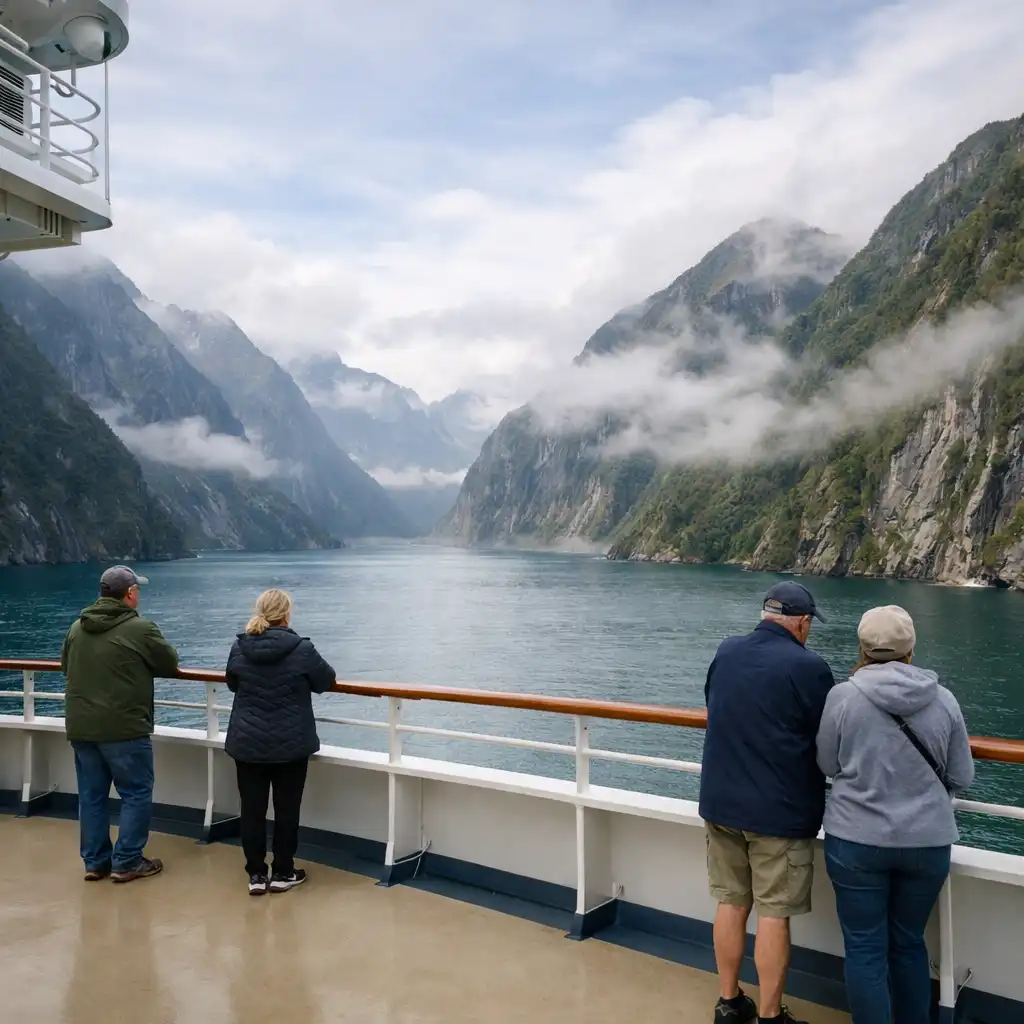
Cruise ship observation deck facing misty Fiordland cliffs near Milford Sound
Observation decks make route and weather part of the daily onboard experience.

Practical information

Casinos on the high seas

Shipboard casinos are optional onboard venues. They commonly operate when a vessel is outside territorial waters, while availability and operating times depend on the applicable ship, itinerary and current onboard schedule.

International waters

Games and electronic play

Common formats may include Blackjack, Single- or Double-Zero Roulette, Three-Card Poker, Baccarat, digital video slots and electronic tournament terminals. Availability can vary by ship and voyage, and the presence of a game should never be treated as a promise of access. Treat any play as optional entertainment, not a financial opportunity.

Table games
Blackjack, Roulette, Three-Card Poker, Baccarat
Electronic play
Digital video slots and tournament terminals

Etiquette, dress and transactions

Casual daylight dress is often appropriate, while respectful table etiquette matters wherever a game is in progress. Casino cage payouts, shipboard keycard folio funding and cash buy-in rules are operational details that can differ. Confirm currency, funding methods and payout procedures on your own sailing rather than relying on another vessel’s routine.

  • Check current onboard casino information.
  • Ask how folio funding and cash buy-ins work.
  • Confirm currency and payout procedures.

Destination research

Take the next planning step

Explore cruise and port inspiration through New Zealand’s official destination resource, then return to Sailrout Einsider for independent practical reading on ships, cabins and life at sea.

Explore Cruises & Port Guides , opens official New Zealand destination resource in a new tabExternal official destination resource; not a booking or availability service.

Cabin field guide

Cabins & stateroom selection

A useful cabin decision weighs where you will spend time, how you move around the ship and which comfort trade-offs matter to your own routine.

Stability and position

A midship position is often considered by travellers wanting a central location and a potentially steadier-feeling ride. Forward and aft positions bring different proximity trade-offs. Motion sensitivity is personal and conditions vary, so use the vessel plan to balance your own comfort priorities with access to the places you expect to use.

Deck elevation and access

Deck elevation can influence views, movement to public spaces and exposure to activity above or below. Neither high nor low is universally better. Consider lifts, dining rooms, theatres, pools and embarkation routes, then compare those with the quiet or convenience you want from your cabin location.

Sound insulation and surroundings

Neighbouring venue types, service areas, corridors and open decks may matter as much as cabin category. Noise effects can vary with use and timing, so look at ship-specific plans and current cabin notes. The aim is not a guaranteed silence rating, but a better understanding of what sits nearby.

Natural light and outlook

Windows, balcony access, daylight and privacy all relate to how much time you expect to spend in the room. Some travellers value an outlook for slow mornings; others would rather put attention elsewhere. Treat it as a routine decision, not a universal hierarchy of room types.

Space efficiency

Look beyond headline category names and consider storage, luggage habits, sleeping arrangements and the hours you expect to spend onboard. Review current line-provided diagrams, accessibility needs and cabin notes before choosing. A compact room can work well when its circulation and storage match the way you travel.

Storage planSleep routineTime aboardRead cabin guidance →

Travel styles

Who is it for?

This guide is for travellers deciding whether a New Zealand-based ocean journey suits the way they prefer to move, observe, eat, rest and spend a sea day.

Route marker

Scenery-first navigators

For travellers interested in scenic ocean journeys, fjord navigation and the changing perspective of coastlines from sea level. Fiordland is a planning interest to investigate, especially for people who value observation, daylight deck time and an unhurried route.

One cabin, many stops

Multi-destination travellers

For people who value seeing several destinations without packing and unpacking between every stop. The appeal is returning to one cabin while an itinerary progresses, while still allowing for changing port procedures and schedules.

After dark 18+

Evening venue explorers

For visitors interested in lounge shows, live performance, comedy and acoustic sets, with table gaming as an optional adult choice. Casino access is 18+ and subject to current ship rules.

Meal-time rhythm

Casual food explorers

For travellers who enjoy trying different dining formats, relaxed bistros and round-the-clock food options where offered. Venue access, opening hours and inclusions can vary, so practical checking matters.

Sea-day pace

Unhurried sea-day travellers

For travellers who enjoy a relaxed sea-day lifestyle departing from New Zealand ports, with time for promenades, pools, reading, activities or simply watching the route unfold. Sailrout Einsider offers independent context for that rhythm before you investigate current destination information and ship-specific details.

Practical answers

Frequently asked questions

Use these answers as a planning framework, then confirm current terms, timetables and operating details with the relevant cruise operator.

Casino operation is generally tied to international waters, while opening times can vary by vessel, route and the current onboard schedule. Exact hours should be checked on the ship. Access is restricted to guests aged 18+ and remains subject to the ship’s current rules and responsible-gambling standards.

Open-ocean planning

Ready to Map Your Next Journey Across the Open Ocean?

Use destination information to begin route and port research, then use Sailrout Einsider as an independent source for practical cruise reading before any next step.

Explore Cruises & Port Guides , opens official New Zealand destination resource in a new tabSailrout Einsider is an independent informational guide, not a cruise operator or booking agency.